Mariposa Journal
How to Choose Mariposa Corporate Gifts: A Procurement Manager’s Guide to Value Over Price
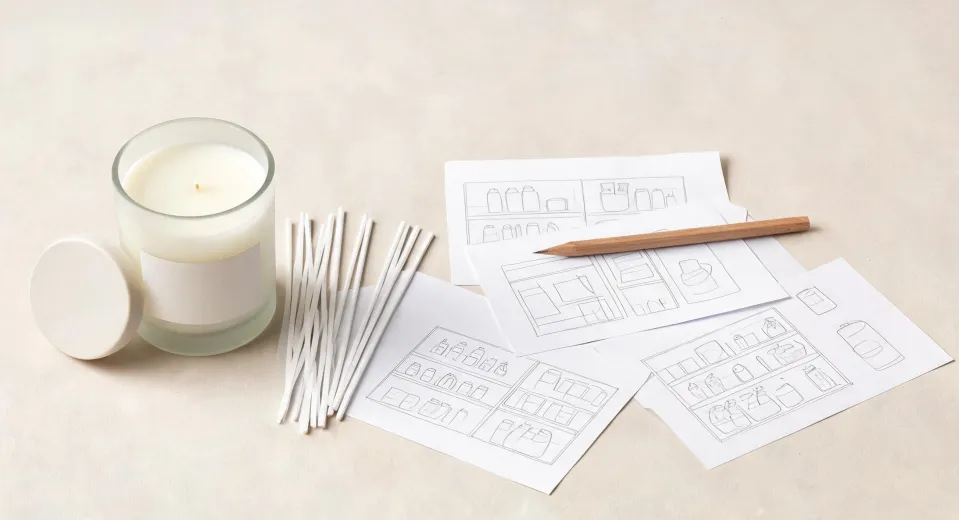
Why Mariposa? (And What This Article Isn’t About)
If you’ve ever searched for “mariposa apartment homes at reed road photos” while researching corporate gifts, you’re not alone — the name overlaps with apartments in some markets. But here, I’m talking about the Mariposa brand that makes elegant home decor and corporate gifting products: scented candles, candle holders, tea sets, reed diffusers, photo frames, and personalized gifts.
I’m an office administrator for a mid-size company (about 200 employees across two locations). I manage roughly $50,000 annually in gift and decor procurement across eight vendors. Over the years, I’ve learned that there’s no one-size-fits-all answer to picking the right Mariposa products. Your choice depends heavily on who you’re buying for and why. So let’s break it down by scenario.
Three Common Scenarios for Mariposa Purchases
Here’s my framework: I categorize corporate gifting into three buckets — employee appreciation, client relationship, and office ambiance. Each requires a different product mix and a different cost-benefit analysis.
Scenario A: Employee Birthday Gifts
When it’s someone’s birthday, you want something that feels personal but doesn’t break the department budget. My go‑to Mariposa picks are their birthday candle holders (they have a lovely “Celebrate” collection) paired with a small tea set — the one that includes a ceramic teapot and two cups. Why these? Because they’re gift‑ready, gender‑neutral, and the candle holder can be reused.
A quick reality check: I once ordered a batch of cheap candle holders from a discount supplier. Four out of ten arrived with chips. The replacements took two weeks, and the birthday recipients got their gifts late. Finance wrote off $120 in rush shipping. Compare that to Mariposa’s birthday candle holders: they cost about $23 each (as of January 2025), but they arrive in proper packaging, no chips, and the employees actually keep them on their desks. The total cost of the cheap option turned out higher when you factor in my time and the shipping headache.
Why does this matter? Because in procurement, the sticker price is only the beginning. If you’ve ever had a vendor promise “fast delivery” only to miss the deadline, you know the feeling.
Scenario B: Client Appreciation / Thank‑You Gifts
When we want to impress a client — say, after closing a deal or during the holidays — the product needs to say “we value you.” Here, I recommend reed diffusers (Mariposa’s signature scents like “White Tea & Ginger” are well‑received) or a personalized photo frame with the client’s company logo etched on it. The reed diffuser lasts 3–4 months, so the client is reminded of your thoughtfulness every day. (Mental note: always order a spare box — scent refills are cheap but often overlooked.)
But here’s where my value-over-price rule really kicks in. Two years ago, I tried a “budget friendly” diffuser from an online marketplace. The scent faded in three weeks, and the glass had tiny bubbles that looked cheap. The client actually asked, “Are these from a dollar store?” — polite but mortifying. Now I stick with Mariposa. Their diffusers cost $35–$45, but the total impression and repeat business that gift generated more than paid for itself. (This worked for us, but our situation was a B2B company with long sales cycles. If you’re in retail with high‑volume, low‑value transactions, your calculus might be different.)
Scenario C: Office Ambiance & Sustainability Hacks
Sometimes the purchase isn’t a gift for someone else — it’s for your own office or break room. Mariposa’s reed diffusers keep the reception area smelling fresh, and the candle holders can double as desk decor. But one question I get often: “how to melt candle wax from glass jar” so you can repurpose the container? Here’s a quick method we use:
- Place the empty jar in a pot of water (simmer, not boil).
- After 5–7 minutes, pour out the liquid wax (careful – hot!).
- Wipe the inside with a paper towel. The leftover wax comes off easily.
- Now you have a small glass jar perfect for storing paperclips, tea bags, or even a tiny plant.
I learned this trick after our first order of Mariposa candles. (Note to self: save all empty jars from now on.) It cuts down waste and gives the office a sustainable touch. Plus, it saves us from buying separate containers.
The “Value Over Price” Mindset in Action
Let me show you a concrete comparison. In 2024, I audited two vendors for our quarterly gift program:
- Vendor A (lowest price): $18 per item, but 15% defect rate, 10‑day lead time, no customization.
- Vendor B (Mariposa): $32 per item, <1% defect rate, 3‑day lead time, free logo engraving.
On paper, Vendor A saves 44% per unit. But when I calculated the hidden costs — returns processing, replacement shipping, employee disappointment — the true cost of Vendor A was actually $27 per item. Mariposa’s $32 suddenly looks like a better deal. As I tell my finance team: “That $14 savings turned into a $9 headache.”
Why do rush fees exist? Because unpredictable demand is expensive to accommodate. But with Mariposa, their consistent inventory means I almost never need to pay for expediting.
How to Decide Which Scenario Fits You
Here’s a quick self‑diagnosis guide:
- If you’re buying for 50+ employees on a recurring basis (monthly birthdays): Go with Scenario A. Mariposa offers bulk discounts on candle holders and tea sets. Ask for a corporate account.
- If you’re gifting to 10–20 key clients once a year or after deal closures: Scenario B. Reed diffusers and personalized photo frames hit the sweet spot of perceived value vs. budget.
- If your purchase is for the office itself (break room, reception, sustainability projects): Scenario C. Focus on reed diffusers for scent and follow the wax‑melting hack to stretch your dollar.
Bottom line: stop obsessing over unit price. Look at total cost — your time, admin overhead, and the relationship impact. Mariposa isn’t the cheapest, but in my experience managing $200k+ in gifts over five years, it’s almost always the most cost‑effective in the long run.
Prices quoted as of January 2025; verify current rates. This approach worked for a mid‑size company with predictable ordering patterns. If your organization is very small or very seasonal, the math may tilt differently — do your own analysis.

Elise Laurent is a crystal and decorative glass quality analyst covering crystal figurines, vases, ornaments, suncatchers, and gift glassware. She examines ISO 6486-1 where food-contact glass dinnerware applies, then uses polarized strain inspection, dimensional checks, surface-defect grading, and refractive clarity to compare decorative pieces outside that scope. Her work helps sourcing teams choose materials, finishing routes, and protective packaging without confusing visual brilliance with verified durability.